
Type 1 diabetes cannot be prevented, but research is ongoing to determine its environmental triggers. While type 1 diabetes cannot be prevented, there are several steps people can take to reduce the risk of developing type 2 diabetes.
Unhealthy eating habits and sedentary lifestyles associated with urbanisation are common factors contributing to the development of type 2 diabetes. There is overwhelming evidence from studies in the USA, Finland, China, India and Japan that lifestyle changes (achieving a healthy body weight and moderate physical activity) can help prevent the development of type 2 diabetes in those at high risk.
IDF recommends physical activity at least between three to five days a week, for a minimum of 30-45 minutes.
Preventing type 2 diabetes involves a healthy lifestyle: a balanced diet, regular exercise, and avoiding sugary and processed foods. Maintaining a healthy weight is crucial as obesity increases the risk. Even a small weight loss can significantly reduce the risk of type 2 diabetes. Lastly, regular screenings and check-ups, especially for people at risk, can detect early signs and delay or prevent the onset of diabetes.

IDF recommendations for a healthier diet:
- Choose water, coffee or tea instead of fruit juice, soda, or other sugar-sweetened beverages
- Eat at least three servings of vegetables every day, including green leafy vegetables
- Eat up to three servings of fresh fruit every day
- Choose nuts, a piece of fresh fruit, or unsweetened yoghurt for a snack
- Limit alcohol intake to a maximum of two standard drinks per day
- Choose lean cuts of white meat, poultry or seafood instead of red or processed meat
- Choose peanut butter instead of chocolate spread or jam.
- Choose whole-grain bread, rice, or pasta instead of white bread, rice, or pasta.
- Choose unsaturated fats (olive oil, canola oil, corn oil, or sunflower oil) instead of saturated fats (butter, ghee, animal fat, coconut oil or palm oil.
IDF diabetes prevention resources
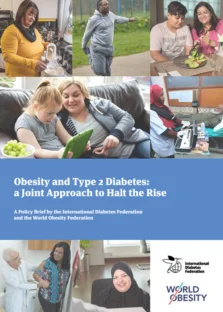
Policy brief
Obesity and Type 2 Diabetes: a Joint Approach to Halt the Rise
A policy brief by IDF and World Obesity Federation that provides diabetes and obesity advocates, healthcare professionals and policymakers with recommendations on the actions required to prevent, manage and treat both conditions effectively.
attachments-28.pdf
pdf
2MB

Report
Cost-effective solutions for the prevention of type 2 diabetes
Published in 2016, this report provides an overview of the programmes available to tackle the rise of type 2 diabetes. The wide range of options presented and their cost-saving implications give cause for optimism that the current situation can be reversed.
attachments-44.pdf
pdf
15MB
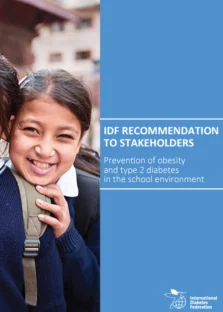
Position statement
Prevention of obesity and type 2 diabetes in the school environment
Type 2 diabetes accounts for around 90% of all diabetes and is increasingly prevalent in children and adolescents. This IDF position statement focuses primarily on the role that education systems and school environments should play in the prevention of childhood obesity and type 2 diabetes.
attachments-22.pdf
pdf
813KB


